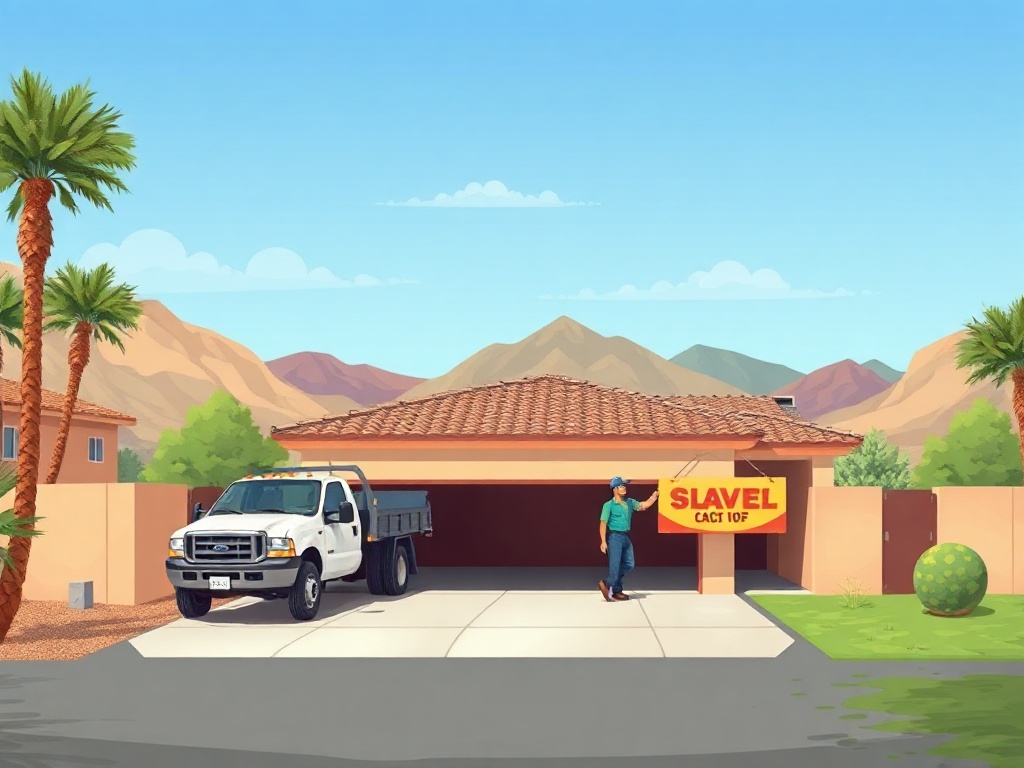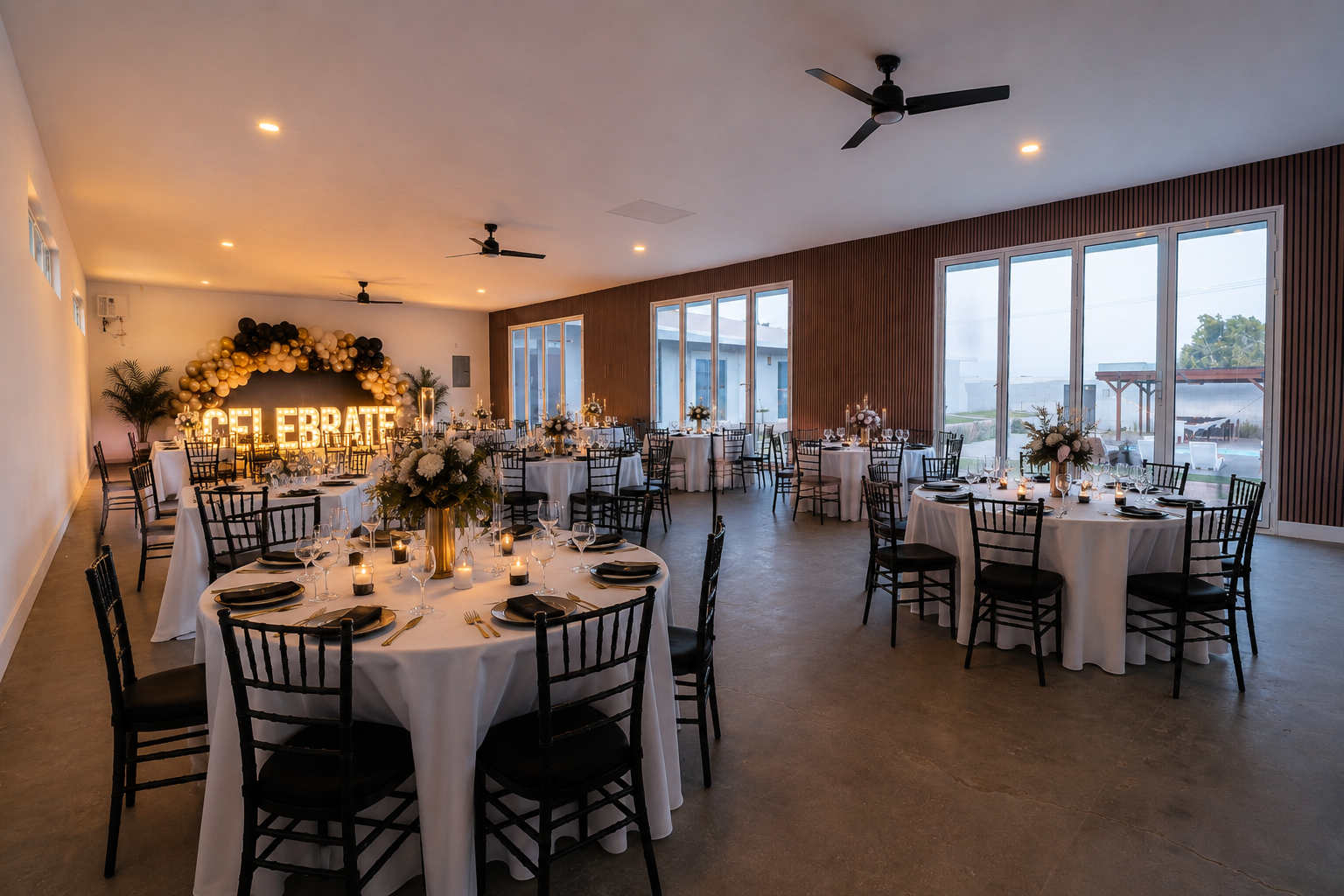
The space itself is the first breath. Before your participants lie down, before the playlist starts, before a single intention is set — the room, the air, the silence outside the walls, all of it is already working on the nervous system. A Private Venue for Breathwork Immersions that truly supports deep practice isn’t just a pretty backdrop. It’s a precisely calibrated container, and most venues get at least one thing wrong. Here’s what actually matters.
Acoustic Integrity: The Non-Negotiable Foundation
Sound is the medium. Whether you’re running a breathwork journey layered with live instruments or a silent session broken only by cueing, the acoustic environment makes or breaks the work. Most retreat planners don’t think about this until they’re mid-session and a lawnmower starts next door.
- The space must have genuine sound isolation — not just “quiet” but free from mechanical HVAC hum, road noise, and neighboring guests (which means no shared walls, no resort corridors, no hotel elevator banks nearby)
- High ceilings and natural materials — stone, wood, adobe — absorb and diffuse sound in ways that carpet and drop ceilings simply don’t; resonance matters when you’re working with bowls, breath, or voice
- Outdoor access that is genuinely silent matters too; desert dawn is one of the most acoustically clean environments on earth, which is one reason sound healing venue rental in the desert has become so sought-after among serious practitioners
- Complete property exclusivity means no strangers wandering through — your sound doesn’t bleed out, and nothing bleeds in
Spatial Design: What a Private Venue for Breathwork Immersions Must Physically Offer
Breathwork requires more floor space per person than almost any other modality — participants are fully supine, often moving. A venue that squeezes ten mats into a room designed for six is not just uncomfortable; it disrupts the somatic process entirely.
- Generous unobstructed floor area — budget a minimum of 35–40 square feet per participant, more if the work includes movement or partner exercises
- Climate control that is silent and responsive; desert temperatures swing dramatically between dawn and afternoon, and a sweating or shivering body cannot drop into parasympathetic rest
- Soft, controllable lighting — blackout capability for journeys, warm dimmable light for integration, and ideally access to natural light for closing circles
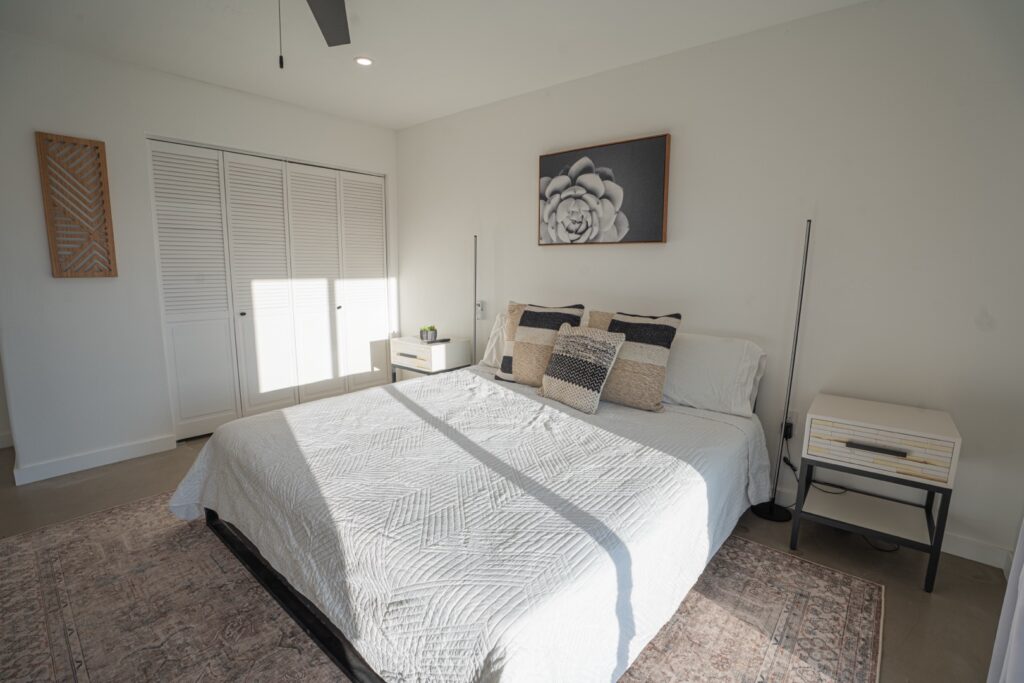
- Proximity to sleeping quarters matters enormously; when participants can walk ten steps to a private bed after a deep session rather than drive forty minutes back to a hotel, integration deepens measurably
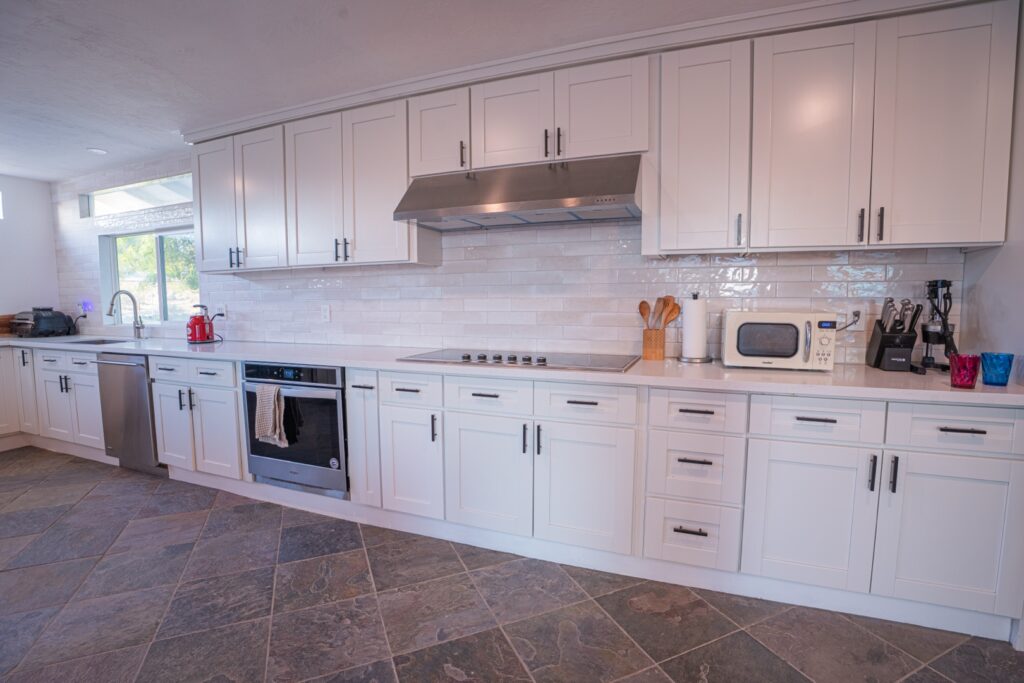
- A professional kitchen on-site supports the full arc: pre-session clean eating, nourishing post-session meals, and the kind of clean living retreat infrastructure that serious facilitators now expect
“The venue should do 30% of the facilitation work before you say a single word. If participants walk in and immediately feel their shoulders drop, you’ve chosen correctly.”
The Environment Beyond the Walls: Why the Desert Setting Amplifies the Work
This is what most venue searches miss entirely. Facilitators vet the room and forget to vet what’s outside it. The external environment — what participants see, smell, and feel the moment they step through a door — is not decoration. It is nervous system medicine.
- Raw desert landscape operates on the nervous system differently than manicured resort grounds; there is a biological response to unpredictability, scale, and ancient quiet that no amount of interior design can replicate
- Sky Valley sits at the gateway to Joshua Tree and the Coachella Valley, positioned as the quiet desert alternative 2–3 hours from Los Angeles and San Diego — close enough to drive, far enough that phones lose their pull
- Minimal light pollution means participants doing evening or early-morning integration work under a sky full of stars; seeing the Milky Way from your venue is not a marketing line here — it’s a nightly reality
- Mountain backdrops visible from the property create what researchers call a “visual anchor” — the brain uses the fixed horizon to regulate, ground, and return; how visual anchors affect group energy is something worth reading before you book anywhere
- Five private acres means no boundary anxiety; participants can walk, sit outside, or simply be without encountering strangers — a detail that sounds small and is, in practice, enormous for emotionally open groups
For facilitators running nervous system regulation retreats or somatic workshop spaces, the physical environment is not a backdrop — it is the first intervention. The Global Wellness Institute has documented extensively how natural environments accelerate physiological recovery, reduce cortisol, and support the kind of emotional processing that breathwork is designed to open. Choosing a space that actively supports that biology isn’t a luxury — it’s the work.
We built Desert 22 for exactly this — groups of practitioners, facilitators, and experience-curators who need a space that holds the work as seriously as they do. Five master bedrooms, an enclosed event space, a pool, and five private desert acres that operate as one seamless, exclusive container. No strangers, no compromise, no venue that fights the vibe. Call us at (818) 000-0000 to check availability and walk through your specific setup — we respond fast and we flex around your vision.